How much water is in the snow? This winter’s numbers raise concerns
MOUNT ROSE, Nev. — Most people in Tahoe would agree the Sierra Nevada snowpack is one of California’s most valuable natural resources. For some, that value is tied to powder days and packed parking lots at ski resorts. In reality, the snowpack’s importance extends far beyond winter recreation.
Skiers and snowboarders care about depth and quality. Hydrologists — and anyone who relies on Sierra snowmelt — focus on something else: how much water the snow actually holds. That measurement is known as snow water equivalent, or SWE.
On average, the Sierra snowpack supplies about 30% of California’s annual water needs. Its ability to store precipitation through the winter and release it gradually in spring is why it’s often called the state’s “frozen reservoir.”
As of Feb. 2, the Lake Tahoe Basin snowpack sits at about 60% of median, with individual basin percentages ranging from 24% to 43%. Although this winter has brought high precipitation, much of it has fallen as rain rather than snow, resulting in a below-average snowpack — though still within the range of previous dry years.
Based on historical snow accumulation data, the chance of returning to normal snowpack levels by April 1 in the Tahoe, Truckee and Carson basins is slightly less than 30%.
“Hopefully, the dry pattern is going to change here in a couple weeks,” said Chad Blanchard, federal water master for the Carson-Truckee rivers. “But even if it doesn’t, we’re going to be in OK shape with the reservoirs because of how much we’ve stored from the rain and carryover storage from previous years.
Data from snow surveys and forecasts produced by the California Department of Water Resources’ Snow Surveys and Water Supply Forecasting Unit play a critical role in reservoir operations, agricultural allocations and municipal water supplies.
Unfavorable conditions for Northern Nevada
Outside the Sierra, conditions are more concerning. Other northern Nevada basins are reporting record-low Feb. 1 snowpacks, based on Snow Telemetry data dating to 1981. Record lows have been recorded in the Humboldt, Owyhee, Snake, Clover-Franklin and Northern Great Basin watersheds.
According to NRCS Nevada, the chance of recovering to a median peak snowpack this season is less than 10% based on historical data. The Upper Humboldt and Owyhee basins would need near-record snowfall for the remainder of the winter to reach normal peak levels. Without a major shift in weather, streamflows are expected to be lower than any of the past three seasons, when snowpacks were above normal.
So how is snowpack measured?
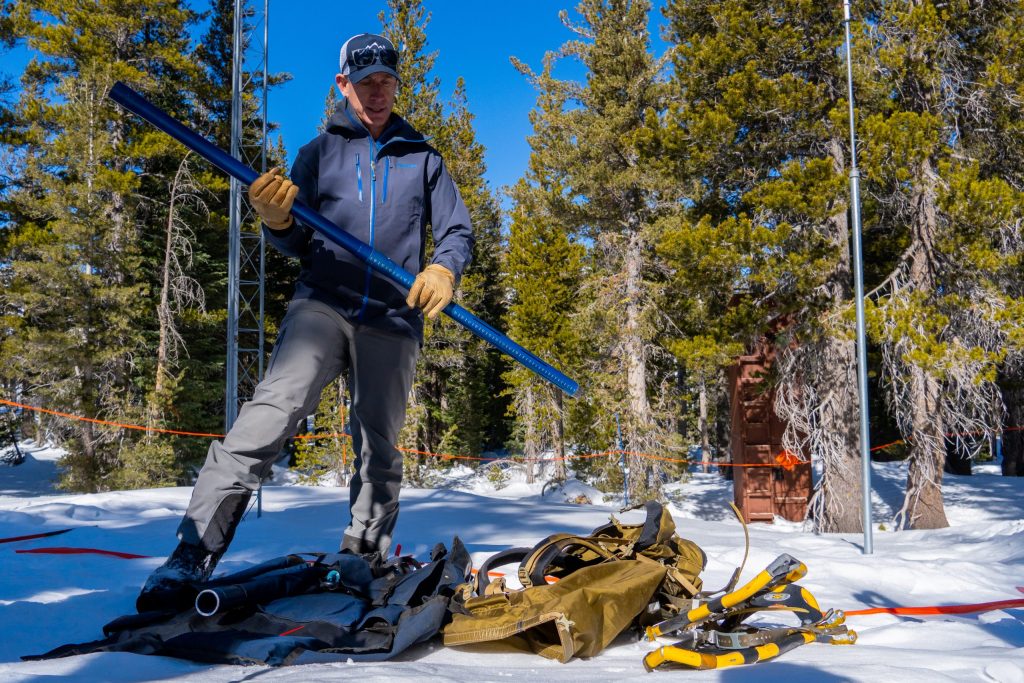
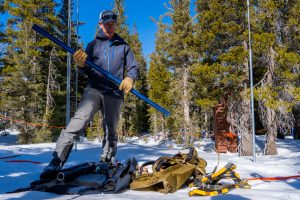
Teams from the California Natural Resources Agency and Nevada’s Natural Resources Conservation Service conduct manual surveys by forcing a hollow aluminum tube into the snowpack. The extracted core reveals both depth and water content.
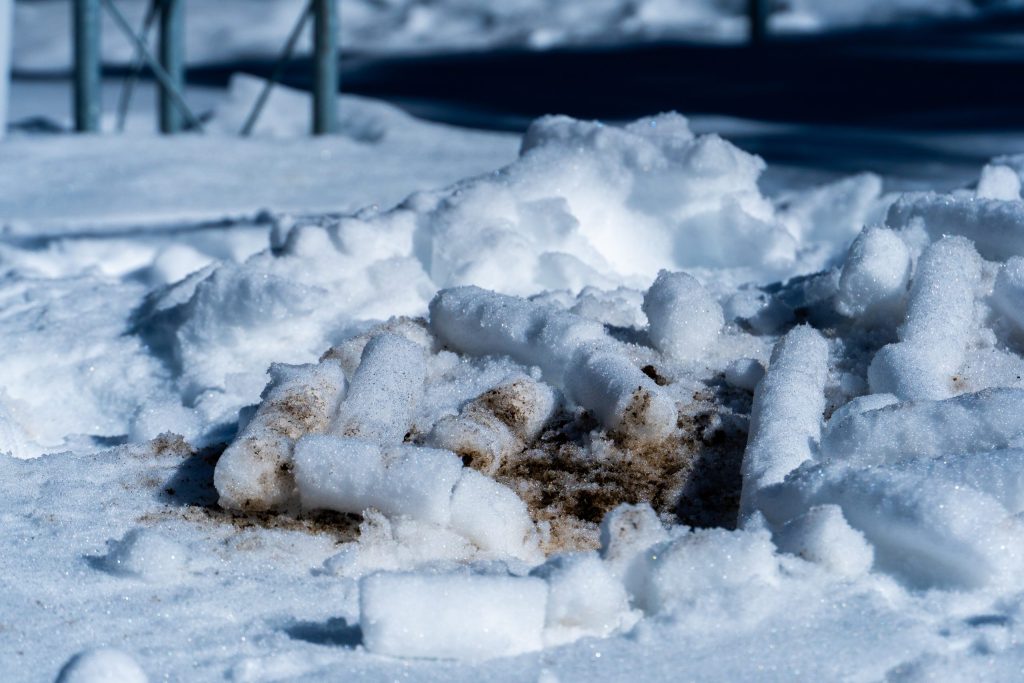
“Dr. James E. Church, a professor at UNR, developed the snow tube design,” said NRCS hydrologist Jeff Anderson. “It allows researchers to core the snowpack and weigh the tubes with and without snow. The difference in weight reveals the snow’s water content.”
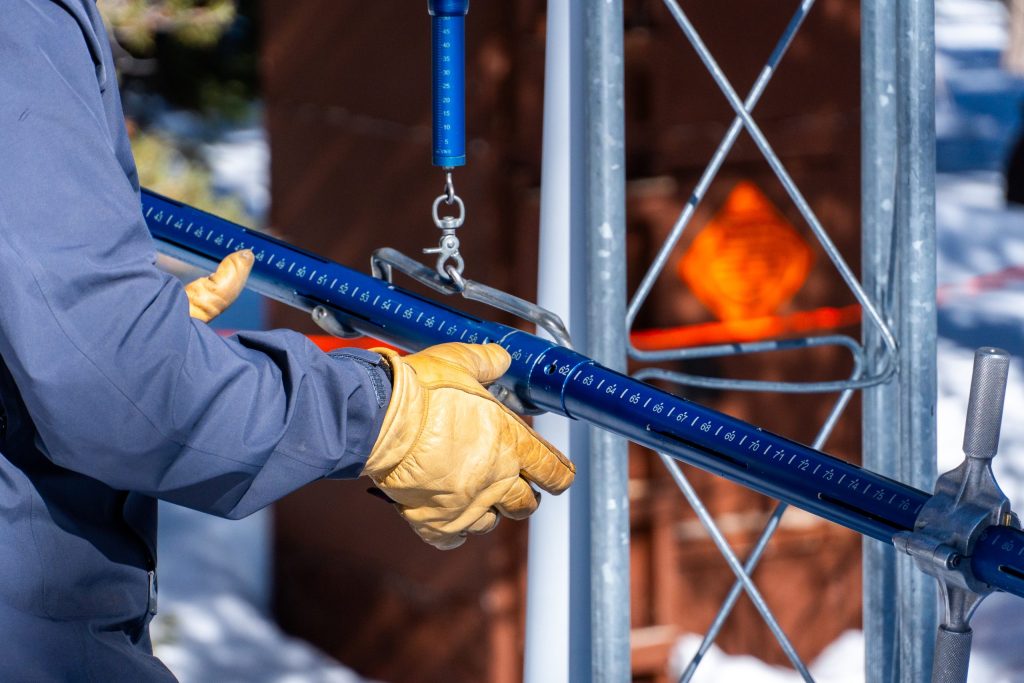
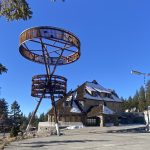
Known as the father of snow surveying, Church pioneered the field in the early 20th century. In 1905, he established the first Sierra weather observatory atop 10,776-foot Mount Rose near Reno and later developed standardized methods for measuring snow depth and water equivalent — techniques that still guide snow science today.




Support Local Journalism
Support Local Journalism
Readers around the Lake Tahoe Basin and beyond make the Tahoe Tribune's work possible. Your financial contribution supports our efforts to deliver quality, locally relevant journalism.
Now more than ever, your support is critical to help us keep our community informed about the evolving coronavirus pandemic and the impact it is having locally. Every contribution, however large or small, will make a difference.
Your donation will help us continue to cover COVID-19 and our other vital local news.