Leaves are falling and autumn is calling at Taylor Creek
Visitor Center Will Remain Open Through Oct. 25, 2026

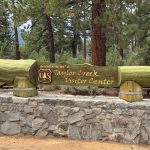
SOUTH LAKE TAHOE, Calif. – Fall has arrived at Taylor Creek, and the Taylor Creek Visitor Center offers a popular hub for viewing fall colors and wildlife on the Lake Tahoe Basin Management Unit. Taylor Creek, which begins at Fallen Leaf Lake Dam and flows into Lake Tahoe, provides important habitat for a wide variety of birds, mammals, amphibians and fish including the popular Kokanee salmon.
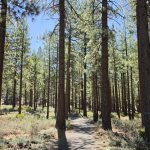
The visitor center will remain open Thursdays through Sundays until Oct. 25. The Rainbow Trail and Taylor Creek grounds are open to foot traffic year-round although they are not maintained in winter.
While most native fish such as the Lahontan cutthroat trout spawn in the spring, the introduced Kokanee salmon spawn in fall and winter. These land-locked relatives of the Sockeye salmon leave Lake Tahoe and travel upstream in mid- to late October into November.
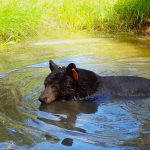
Salmon seekers should be aware that – just like human visitors – bears and other wildlife are drawn by spawning activity. Be bear aware and also be ready for crowded roads, trails and parking areas.
Be sure to follow these safety tips for a pleasant outing:
- Leave food and pets at home
- Stay on trails
- Keep a safe distance from wildlife
- Pack out all trash
- Slow down and watch for wildlife
- Be Bear Aware and Bear Wise
- Learn from the experts at TahoeBears.Org
About Kokanee Salmon
Besides Taylor Creek, Kokanee are known to spawn in other streams around Lake Tahoe. This includes Meeks Creek, Third Creek, Trout Creek and the Upper Truckee River, when enough water is available to support their reproductive needs.
The Kokanee’s arrival depends on natural signals like colder water temperatures and increased stream flow rates, which are influenced by the previous season’s snowfall and drought. Smaller snowpacks and drought conditions mean less water. Under natural conditions, large portions of Taylor Creek would experience low water flows in the fall or dry up completely.
The U.S. Forest Service is required to manage water levels in Fallen Leaf Lake while also managing multiple uses at Taylor Creek. When managing water levels in Fallen Leaf Lake and water flow into Taylor Creek, the Forest Service attempts to mimic natural flows to the greatest extent possible.
Before winter takes hold, gates at the dam are completely lowered to protect homes and infrastructure around Fallen Leaf Lake. These increased flows help support the fall spawners in Taylor Creek by ensuring there are sufficient flows for successful egg development.







Support Local Journalism
Support Local Journalism
Readers around the Lake Tahoe Basin and beyond make the Tahoe Tribune's work possible. Your financial contribution supports our efforts to deliver quality, locally relevant journalism.
Now more than ever, your support is critical to help us keep our community informed about the evolving coronavirus pandemic and the impact it is having locally. Every contribution, however large or small, will make a difference.
Your donation will help us continue to cover COVID-19 and our other vital local news.